
Just like James Earl Jones said in the 1989 classic Field of Dreams, “People will come.” So many of us are driven by a longing for the past and a nostalgic trip down memory lane that leads us to a place of comfort where we’re reminded of a simpler life. That “simple life” ideology often leads people to “the country” and the more rural parts of our state where peace and quiet abound, but affordable housing does not.
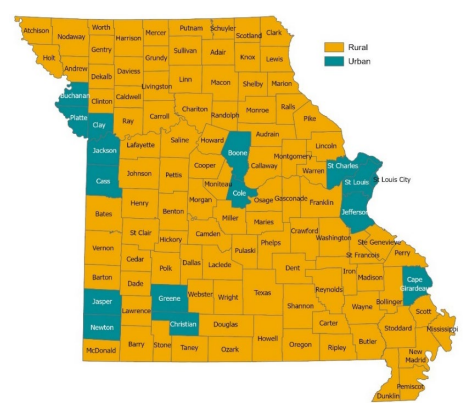
Of Missouri’s 115 counties, 99 are rural and many of our state’s large industries such as healthcare, agriculture, manufacturing and education are located within these areas. Investments in rural areas build economic stability, boost local workforce development and create overall community health and wellbeing.
It is time to meet the growing need and demand for healthy affordable housing in Missouri’s rural communities, strengthen our state as a whole, and ensure that our expanding workforce population has an affordable and safe place to call home.
Brookings defines workforce housing as housing affordable to households earning between 80% and 120% of area median income. These households could be teachers, factory workers, healthcare professionals, law enforcement and other employees who earn too much to qualify for traditional housing assistance, yet not quite enough to comfortably afford the current rates on the housing and rental markets.
As construction costs and housing demands continue, it is becoming increasingly more difficult for essential employees to find affordable quality housing within the communities they serve. This results in local employers struggling to recruit and retain staff, hospitals and healthcare facilities facing staffing shortages, and overall economic growth coming to a standstill.
Marcie Lawson from Bootheel Progress with Partnership stated that their rural tri-county service region within Scott, Mississippi, and New Madrid Counties has seen an average population decline of 13% within the last twenty years and they are losing out on attracting local talent due to the lack of affordable housing in their rural communities.
Rural Housing Barriers and Needs
Nationally, an estimated 30% of housing units in rural areas lack basics like hot and cold running water and functional plumbing, and sometimes households are one emergency away from a financial crisis. A recent webinar hosted by Policy Link listed the biggest barriers to rural housing being:
- difficult application or tenant screening process
- lack of affordable and available rental properties
- decline in properties that meet needs of tenants, landlords and community
Many of our neighbors, friends and family who are living in rural Missouri counties might be navigating multiple barriers, with maintaining their housing being top priority. Teachers, first-responders, and other essential workforce are the backbone of our towns. They work hard to keep everything running smoothly, yet many struggle with rising rents and heating bills. In rural areas, expenses can add up quickly when families have to drive further and spend more time away from home in order to meet basic needs like going to the doctor, taking their children to school or daycare, going to work and getting groceries.
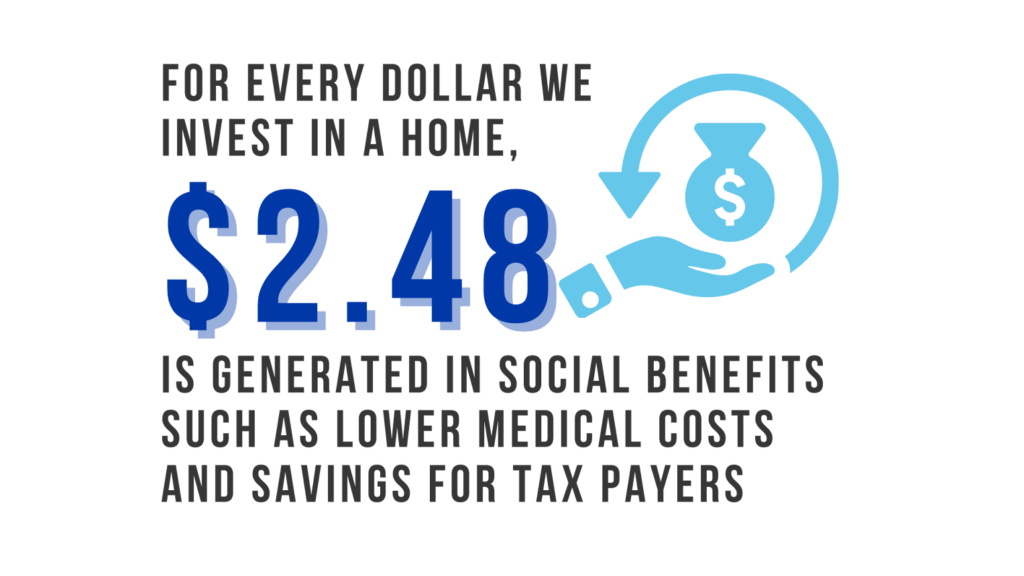
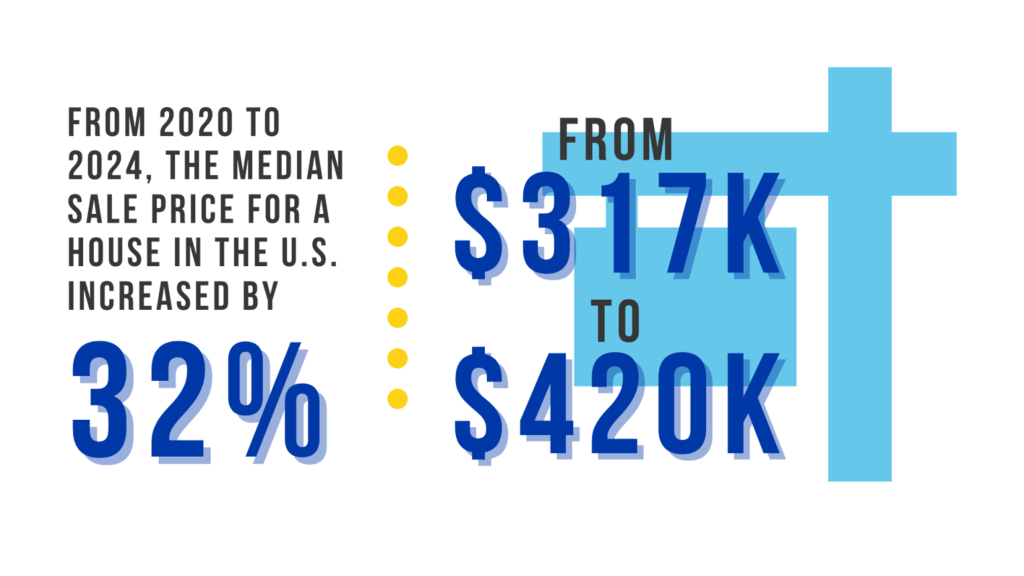
According to the National Low Income Housing Coalition, rural communities across the United States face unique challenges when dealing with affordable housing. Because large-scale development does not usually occur in rural communities, construction costs are often higher in these areas compared to their urban counterparts. Real estate prices continue to soar above what’s reasonable, with the average monthly rural rent increasing by 31.2% between 2020 and 2023, alongside the average monthly income of rural renting households rising by only 5.5%. Creating more housing opportunities within our growing economies provides the option for families to live closer to their jobs, save more money, further their careers, and maintain stability.
This decline in the availability of affordable housing across our state affects our workforce development. Prospective employers feel the impact of inadequate housing in their communities, avoiding regions with a lack of affordable housing due to the struggle to attract skilled workers to those areas. Lack of funding in the housing stock in rural communities also leaves them with a higher amount of substandard housing, which not only leads to safety concerns, also impacting employers’ ability to entice prospective employees. These conditions disrupt business operations and increase recruitment costs, making it difficult to promote individual career progress and community economic stability, and hindering sustained growth of local businesses and economies.
Keri McCrorey, Executive Director of East Missouri Action Agency (a non-profit serving 8 counties in rural Missouri) says:
“When the math doesn’t work, families don’t just ‘downsize’; they fall into homelessness. We are seeing a heartbreaking trend: unsheltered homelessness in Missouri has risen significantly over the last several years. It is no longer just a ‘big city’ problem. In our rural counties, homelessness is often invisible, with families sleeping in cars, in barns, or “couch surfing” until their welcome runs out. Once a person loses their permanent address, the barriers to reentry become nearly insurmountable.”

An Investment in Rural Housing Is an Investment in All Missourians
Communities struggle to attract potential employees when there is a lack of affordable housing in those areas. Our housing shortage in MO and in the nation is because of years of not investing in the middle market and rural workforce housing development is an essential tool to help communities move forward with a growth mindset.
El MO Master Plan on Aging lists Accessing Housing and Transportation as one of their Cross-Cutting Priorities. This means they recognize the ability to remain in one’s home and community depends on coordinated housing options and reliable transportation, especially in rural areas. We must fill the gap between the demand for affordable housing and the lack thereof.
Rural areas in Missouri have immense opportunity to provide guidance, training, safety and support in helping shape the protections needed and realistic expectations faced when tackling a problem like addressing our state’s housing crisis head on. Partnering with local building and trades programs provides real-world workforce experience for students and youth as well, strengthening our future workforce in addition.
Solutions on the Horizon
This legislative session, two bills have been introduced that focus on affordable housing in rural Missouri: SB 1105 y HB 1716. In rural areas like northeast Missouri, residents are specifically concerned with being able to attract developers and the need for increasing affordable housing options. As Missouri’s populations continue to grow along with our state’s demand for accessible housing, solutions like supporting rural workforce development are an essential component to creating more affordable housing.
Derek Weber, Executive Director of Northeast Missouri Regional Planning Commission (NEMO RPC) has helped meet his communities’ needs by helping launch Housing Enhancement Northeast in 2023, a tangible example of how workforce housing initiatives have transformed his communities and provided vital economic, development, and educational support for local residents, businesses and schools and students.
NEMO RPC serves the six most Northeast counties in Missouri, including 33 rural municipalities. Weber says, “We have to try to get ahead of all the things that are hurdles for us to bring people here. Housing is just one of those things, so if we can show we have great housing at affordable prices, it’s a way to draw people to our region.”
After helping the city of Kirksville complete a housing study in 2022, Weber said the study showed an extreme lack of workforce housing or in his words, “the missing middle”. After examining their current housing market, results showed:
- 65% of homes were built prior to 1960 with a median sale price of $90,000
- 25% of homes were built after 2008 with a median sale price of $380.000
That left 10% of homes as workforce housing – the homes that our nurses, teachers, firefighters and other other essential employees can afford, and the types of homes necessary for successful employee recruitment and retention. A second study conducted with Tricounty Electric provided supporting evidence of this extreme lack of “missing middle” housing, correlating the open jobs in the Northeast region of our state with the availability of housing to fill those jobs.
In 2023, NEMO RPC partnered with Tricounty Electric and Northeast Power Cooperatives to form Housing Enhancement Northeast, a nonprofit that works to continuously build and sell homes at cost and create growth mindsets. Since building their first home in 2024, Housing Enhancement Northeast has constructed 14 homes, successfully selling eight homes with six more currently being in the construction or preconstruction phases. By creating homes and strengthening their local workforce development, Housing Enhancement Northeast has been able to attract new residents to Missouri who would have otherwise located elsewhere and helped their local communities move into thriving sustainable economies.
Supporting initiatives that make housing more affordable isn’t just about helping those in immediate need; it’s about investing in our future. When rural families have stable housing, they can contribute more effectively to our local economy and community life, making monumental impacts for rural Missouri. While time ticks on and inflation continues to rise, Empower Missouri persists in securing an adequate supply of healthy, safe, affordable housing in rural Missouri and replicating the success found in Northeast Missouri throughout other rural areas of our state.
HB 1716 passed unanimously out of the House Economic Committee with a vote of 13 to 0. Join Empower Missouri in supporting affordable housing solutions in rural Missouri and ask your representative to support HB 1716. Click the button below to use our brief form and take action!
 Spanish
  English