
In 1984 Missouri voters first approved a conservation sales tax of 0.1%. The Parks, Soil and Water Sales Tax applies to every taxable sale in Missouri, including groceries, and the revenue generated is designated only for this purpose. Some of the fund goes to soil preservation to correct and prevent erosion. In 1982 Missouri had the second highest soil erosion rate in the country, and it continues to be an issue across the midwest, now accelerated by climate change. Part of the sales tax goes to support clean water, and water quality issues still seem to plague Missouri.
Half of the revenue generated from this tax goes to our State Parks system and provides about ¾ of the overall operating budget for the parks. The rest of their budget comes from in-park revenue (rental fees, sales, and taxes from those sales) and some federal funding support. Missouri has some amazing state parks, though your own personal favorite is probably the best one. We’ve got every type of environment, from caves to mountains, rivers and shut-ins as well as dense forest. You can bike, hike, boat, fish, swim, and camp all over the state. You can follow a long rugged trail for hundreds of miles or you can enjoy one of our many wheelchair accessible paved paths. Getting outdoors is one of the best interventions to support health and mental health we have, and a thriving parks system helps our community access those green spaces as often and easily as possible.
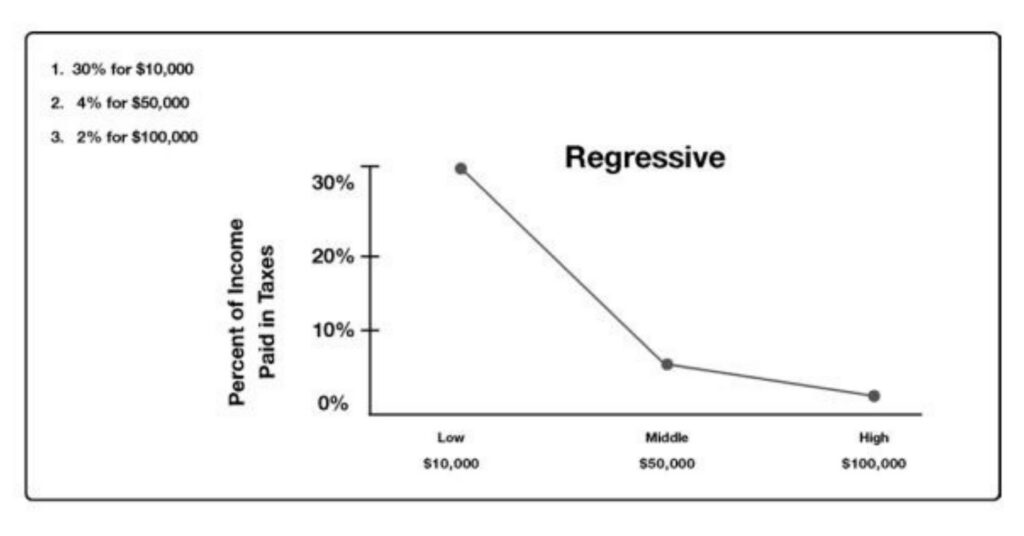
For decades Empower Missouri has worked to reduce and eliminate the state sales tax on groceries. Food is a basic necessity for life, and should be as freely and easily available as possible. The Parks, Soil, and Water tax is .1% of the 1.225% state grocery tax we all still pay on cold and shelf stable items. The rest of this tax is directed to education, another vital public service. However, public policy nerds know: sales tax is regressive. This means people with lower incomes pay a higher percentage of their income than people with higher incomes. Sales taxes place more of a burden on our poor and struggling neighbors. Regressive taxes like sales tax are not an ideal way to fund necessary public services like the State Parks, Soil Conservation, and healthy drinking water.
I would love for our Missouri legislature to be having conversations about funding vital services while supporting our lowest income neighbors. There are models of progressive taxing structures, mainly increasing the tax burden for the wealthiest residents while decreasing it for those with fewer resources. Some places even exponentially increase taxes on the highest earners, while reducing or eliminating them for the middle and low earners. Instead, Missouri has one of the lowest corporate tax rates in the country, so big business pays less here. We are the first state to totally eliminate capital gains tax, a tax only people with resources pay on high value asset transfers. The current Missouri income tax structure is relatively flat, with most earners (anyone earning over $9,500 in a year) paying the highest 4.7% rate. To be clear, this means that many of the over 12% of Missourians in poverty are paying the same income tax rate as the wealthiest income earners, including the billionaires calling Missouri home. This is before any potential changes coming as a result of Amendment 5, if it were to pass.
The Parks, Soil, and Water tax is voted on every 10 years and has historically had a lot of support. In fact it has grown significantly in popularity since the original passage. In 2016 it passed with almost 80% of voters in support. Tax votes have a volatile history in Missouri. Since the 1980 passage of the Hancock amendment, very few statewide tax increases have passed. Interestingly though, most sales tax and bond renewals which have been put before the voters have passed. Perhaps this signals that Missouri voters understand and support sustaining state revenue, maybe it shows us that our neighbors will happily invest in the type of community they wish to live in. It makes the August 2026 ballot a really interesting vote to watch, especially with Amendment 4 and 5 accompanying Amendment 1.
 Spanish
  English